
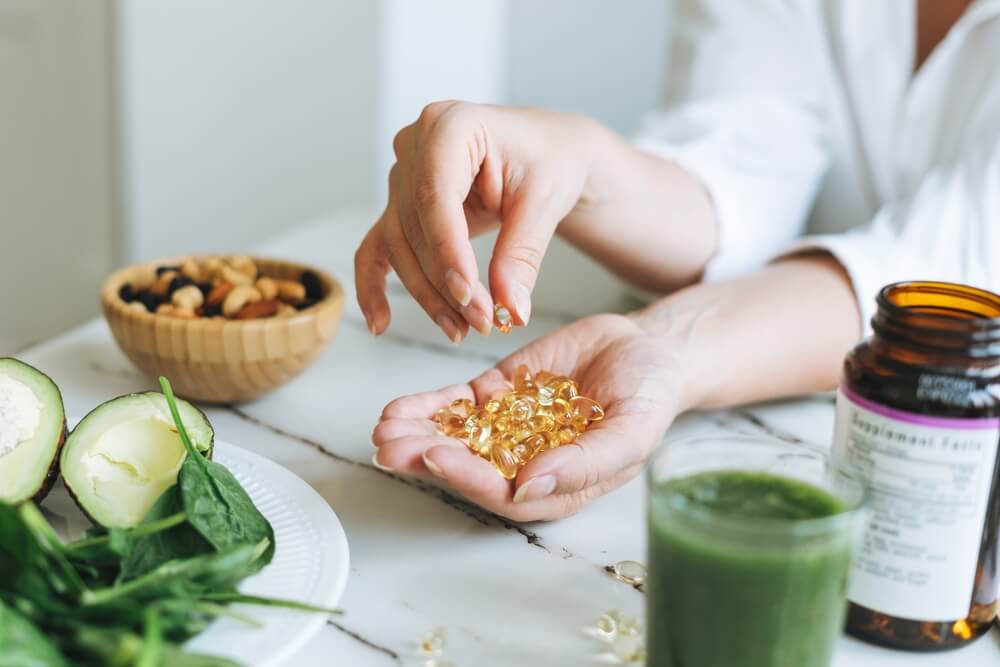
It’s no secret that dietary supplements are popular. In fact, more than 70% of Americans take at least one supplement every day. (38) And, according to the Office of Dietary Supplements, 29%—primarily older—people take four or more supplements daily. (18) Since herbs and dietary supplements can play an important role in supporting good health, their use can be beneficial.
However, many people assume that, because herbs and supplements are natural, they are inherently safe. (34) And it’s true that many are. But side effects and drug interactions can and do occur. Although most side effects of herbs and supplements are typically mild, drug interactions can sometimes be serious or even life-threatening. (40)
 Although dietary supplements are generally safe, side effects such as headache or digestive upset can and do occur.
 If you take a prescription medication, always check for potential interactions before starting a new supplement.
Did you know? Prescription and non-prescription drugs are estimated to cause approximately 2,216,000 adverse reactions annually. (35) Yet, according to the American Association of Poison Control Centers, in 2020, fewer than 6.5% of those adverse reactions were caused by dietary supplements (including herbal supplements). (22)
What is the difference between herbal supplements and dietary supplements?
The U.S. Food and Drug Administration notes that “dietary supplement” is an umbrella term that covers natural products like vitamins, minerals, enzymes, and herbs. (36) In the United States, these products are regulated under the Dietary Supplement Health and Education Act of 1994. (13) According to the agency, a dietary supplement:- Is a product taken by mouth that contains a dietary ingredient intended to supplement or enhance the diet
- May include vitamins, minerals, herbs or other botanicals, amino acids, and substances such as enzymes, organ tissues, glandulars, and metabolites
- Can be formulated as tablets, capsules, soft gels, gel caps, liquids, or powders (14)
The benefits of herbal supplements and dietary supplements
Just like you can’t out-exercise a bad diet, you can’t out-supplement one either. That said, supplementing a healthy diet with vitamins, minerals, enzymes, and amino acids can be beneficial. For instance, studies suggest that dietary supplements can help to fill any nutritional gaps in the diet. (10)(15) They may also help prevent or manage certain health conditions. (8)(15)(39) Plus, research shows that taking targeted dietary supplements—including herbal supplements—can promote optimal health, longevity, and quality of life. (8)(39) However, problems can sometimes occur when supplements are taken in high doses or if you are also taking certain medications.Did you know? Herbal medicine was the primary type of medical care throughout the world before the advent of modern medicine. (34)
Although dietary supplements are generally safe, side effects such as headache or digestive upset can and do occur.
Side effects of herbs and supplements
Dietary supplements can enhance health when taken appropriately. But, when it comes to some nutrients, you can get too much of a good thing. According to researchers at the University of Maryland School of Medicine, the most common nutrients that can cause problems at high doses include biotin, copper, iron, niacin, vitamins A, D, and E, and zinc. (3) In one study review conducted at the Mayo Clinic, people with extremely high blood concentrations of vitamin D ranging between 150 and 1220 ng/mL (an optimal concentration should be approximately 75 ng/mL) experienced symptoms of toxicity such as dehydration, loss of appetite, pain, and vomiting. (6)(19) Supplementing with individual amino acids—a practice popular with athletes and bodybuilders—can also result in side effects. Not only can it cause an imbalance in the body’s amino acid concentrations, it can trigger dehydration, nausea, diarrhea, liver issues, muscle cramps, and water retention. (24)10 common herb side effects
Taking herbal supplements may result in side effects. While most are fairly mild, some can be of concern. Here are the most common side effects to look out for, as well as some of the herbs that may trigger these problems.- Allergic reactions (chamomile, feverfew) (11)
- Bleeding (dong quai, garlic, Ginkgo biloba, white willow) (1)
- Dizziness (cat’s claw, kava, rhodiola) (7)(27)(37)
- Dry mouth (peppermint oil, St. John’s wort, valerian) (33)(41)(43)
- Elevated blood pressure (non-deglycyrrhizinated licorice) (12)
- Headache (Asian ginseng, Ginkgo biloba, valerian) (4)(20)(43)
- Insomnia (Asian ginseng, feverfew, St. John’s wort) (4)(31)(41)
- Nausea and digestive upset (bacopa, echinacea, Ginkgo biloba) (2)(20)(16)
- Rash (dandelion, mugwort, yarrow) (32)
- Sun sensitivity (aloe, angelica, St. John’s wort) (5)(9)(41)
If you take a prescription medication, always check for potential interactions before starting a new supplement.
Drug interactions with herbs and supplements
If you’re scheduled for surgery, your doctor will likely ask you to stop taking certain supplements a week or two before hitting the operating room as some can interfere with anesthesia (medications used to decrease or eliminate pain by putting a person to sleep) or could increase the risk of bleeding. (29) You may also be advised to avoid some herbs and nutrients if you’re prescribed certain medications. This is because some supplements can impact the absorption, breakdown, or removal of a particular drug. (30) Some interactions between a supplement or food and certain drugs are well known. For instance, most people know that grapefruit and statin drugs (medications used to decrease cholesterol) don’t mix because the fruit or juice can cause too much of the drug to remain in the body instead of being broken down and removed from the body. (28) And it’s fairly common knowledge that you need to steer clear of St. John’s wort if you’re taking some antidepressants as it can lead to a life-threatening increase in serotonin levels (substance that contributes to feelings of well-being and happiness). (42) Other interactions, however, are less well known. For instance, goldenseal can potentially interact with a number of medications, including codeine (used to decrease pain), digoxin (used to treat heart conditions like heart failure), metformin (used to manage diabetes), and tamoxifen (used to treat breast cancer) (21)(25) And, according to research in the International Journal of STD & AIDS, several common supplements like calcium, iron, vitamin C, and zinc can decrease levels of antiretroviral drugs in the body (medications that treat viral infections). However, cat’s claw and evening primrose oil can increase the levels of these drugs in the body. (26)Did you know? Adverse effects are more common in the older individuals and in people who are taking multiple prescription drugs. (17)