

Liver health cannot be emphasized enough. The liver plays a role in nearly every organ system in the body as it interacts with and influences detoxification, digestion, immunity, and metabolism, and it performs hundreds of functions throughout the day. (6) As a result, if the liver is not functioning optimally, it can negatively influence health on many levels. Keeping the liver healthy and strong is of paramount importance and requires a focus on both diet and dietary supplements. But before we dig into proactive prevention and protection of the liver, let’s take a closer look at liver health concerns and who is most at risk.
 NAFLD is the most common cause of liver dysfunction.
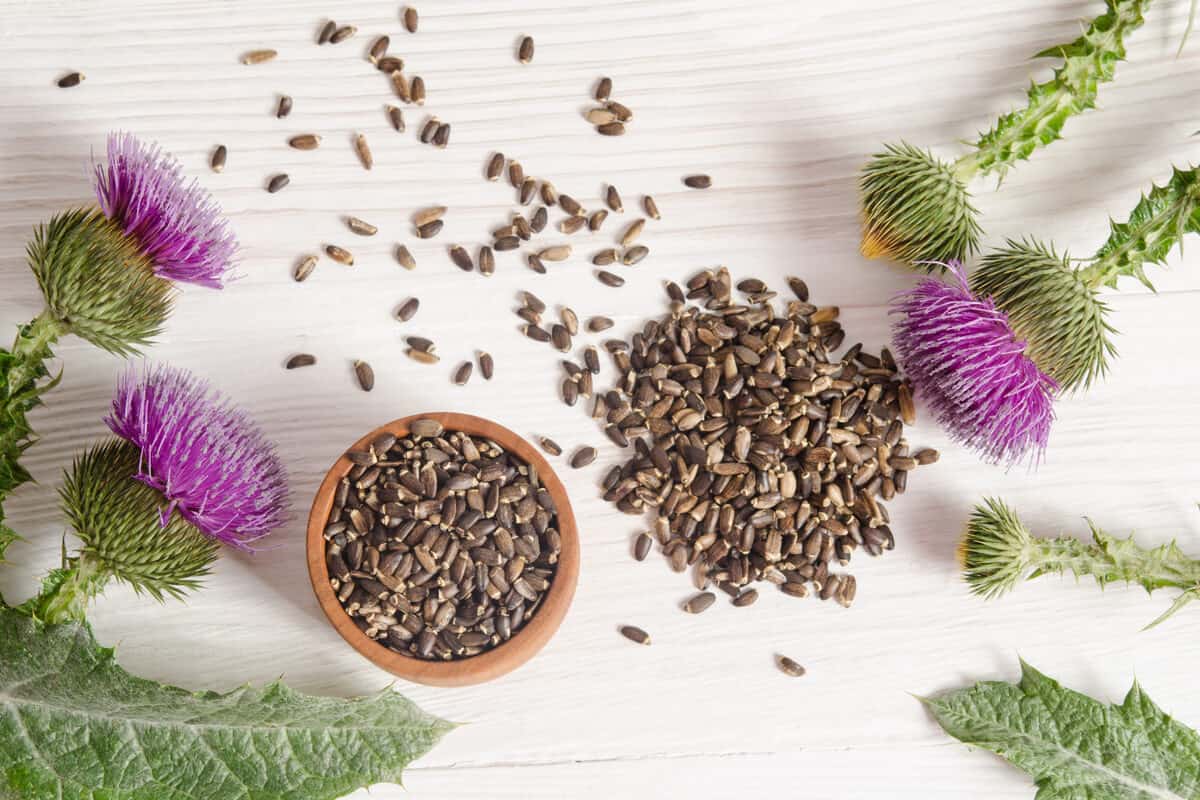 Milk thistle may support liver health due to its role in modulating enzymes involved in liver damage.
Liver health concerns
Given the numerous tasks the liver has to perform constantly, it is a very active organ helping to digest food, remove toxins, and store energy. Unfortunately, many different types of health conditions can impact the liver’s ability to do its job including:- Fatty liver disease or cirrhosis caused by drugs, poisons, or too much alcohol
- Inherited conditions such as Wilson disease
- Liver cancer
- Nonalcoholic fatty liver disease
- Viruses such as hepatitis (11)
Nonalcoholic fatty liver disease
By far, nonalcoholic fatty liver disease (NAFLD) is the most common cause of liver dysfunction. NAFLD affects 25% of the world’s population, with that incidence expected to increase by up to 56% over the next ten years. (5) Whereas high alcohol intake is the primary cause of cirrhosis of the liver, obesity, type 2 diabetes, and metabolic syndrome are the primary causes of NAFLD. (10)Risk factors for NAFLD
Several factors can increase the risk of NAFLD and other chronic liver diseases including:- Diabetes and blood sugar control issues
- Excess alcohol consumption and alcoholism
- Hepatitis B and C
- High fat and/or high sugar diet
- Obesity
- Prolonged drug use (9)
NAFLD is the most common cause of liver dysfunction.
Best diet for liver health
The best diet for liver health may be the Mediterranean diet, which is not surprising considering the broad range of health benefits that come from following this eating pattern. Several studies have shown that the greater the adherence to the Mediterranean diet, the lower the risk of developing both fatty liver disease and NAFLD. (7)(15) A 2021 systematic review found that the Mediterranean diet can both successfully prevent and address NAFLD. In that review, the authors attributed the diet’s positive liver health benefits to the antioxidant and anti-inflammatory effects of the fruits, legumes, vegetables, and olive oil that are prominently featured in the diet. (4) As mentioned previously, foods to avoid for liver health include alcohol, simple sugars, and unhealthy fats like trans and saturated fats found in fried foods and certain baked goods. (9) In addition, dietary supplements can also help support liver health.Best supplements for liver health
For many patients, supplementing the diet with certain nutrients and medicinal herbs may also be beneficial to enhance and protect liver health. Some of the key nutrients and herbs for liver health include curcumin, dandelion, milk thistle, glutathione, vitamin D, and vitamin E.1. Curcumin
Curcumin, an antioxidant and anti-inflammatory plant chemical found in the turmeric (Curcuma longa) plant, has been shown to support liver health. A 2019 randomized controlled trial found that curcumin reduced the severity of NAFLD in patients with the condition. (12) This is consistent with results from a 2016 randomized placebo-controlled clinical trial that showed improvement in NAFLD after just eight weeks of curcumin supplementation. (13)2. Dandelion
Dandelion (Taraxacum officinale) is another herb that has been shown to positively influence liver health. It has antioxidant activity and the prebiotic fibers in dandelion helps reduce fat accumulation, oxidative stress, and inflammation in the liver. (8)3. Milk thistle extract
Milk thistle extract (Silybum marianum) is a free radical scavenger that modulates enzymes associated with the development of cellular liver damage, cirrhosis, and fibrosis. (3) While some studies have shown no benefit, most of the studies do show that milk thistle can effectively support liver health. (2)Milk thistle may support liver health due to its role in modulating enzymes involved in liver damage.