
Whether it’s due to a sleepless night or an overly packed schedule, many of us have experienced low energy levels. But if you find yourself reaching for that candy bar or energy drink to help you get through the day, you may want to reconsider.
While sugar, caffeine, and energy drinks are reputed to give you a quick energy boost, studies show that they can actually lead to greater fatigue, poorer performance, and less alertness. (14)(23)
Instead, consider these foods that give you energy and stamina. Incorporating energy-boosting foods won’t just help you get your second-wind, they’ll provide vital nutrients that give you sustained energy throughout the day.
10 best energy-boosting foods
The following foods are high in healthy nutrients that can provide an energy boost, helping you feel alert, awake, and at the top of your game all day long. Keep them on regular rotation to fight fatigue before it begins.
1. Bananas
Bananas are one of the most popular fruits in the United States. (4) They’re also highly nutritious, boasting an array of antioxidants including gallocatechin—the same energizing antioxidant found in green tea. (30) What’s more, bananas contain high levels of the feel-good brain chemical dopamine. (15) That may be why they are a top pick for endurance and recreational athletes alike. Research conducted at Appalachian State University’s Human Performance Lab found that bananas were just as beneficial for increasing energy as a sugary sports drink in a group of trained cyclists. But, unlike the sports drink, the bananas provided cyclists with important nutrients like antioxidants, fiber, potassium, and vitamin B6, which contributed to sustained energy and reduced inflammatory markers. (25)
2. Dark chocolate
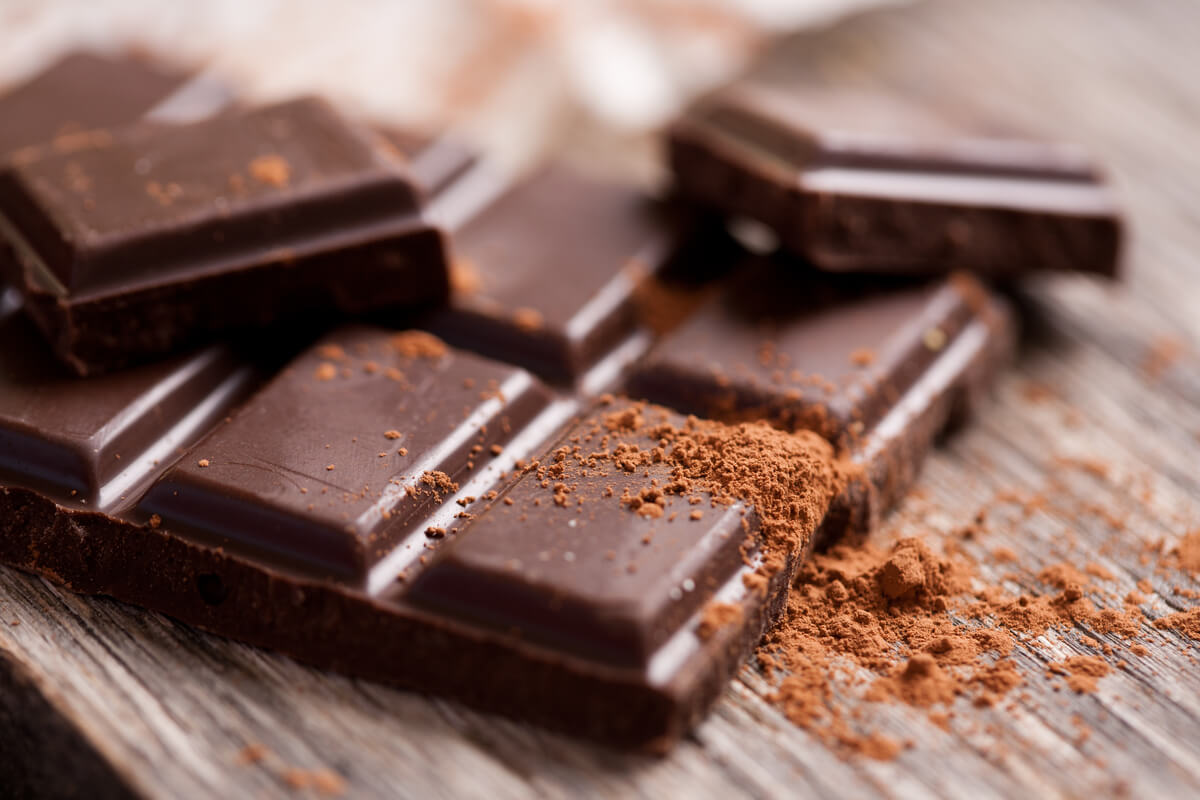
Yes, chocolate! Researchers at Hull York Medical School in the United Kingdom gave ten patients with chronic fatigue syndrome 45 g (about 1.5 oz) of chocolate each day for two months. The study subjects received either dark chocolate or white chocolate that had been dyed brown. Those eating the dark chocolate reported significantly less fatigue, leading the scientists to believe that the polyphenols in dark chocolate increase levels of the happiness-boosting brain chemical serotonin and thus reduce feelings of fatigue. (29)
Dark chocolate is rich in energy-supportive nutrients including flavonoids, calcium, iron, magnesium, potassium, and zinc. Dark chocolate also contains a higher percentage of cacao solids and less sugar. More cacao means more flavanols, so it’s best to choose dark chocolate that includes at least 70% cacao solids. (16)
3. Fatty fish
Fatty fish like anchovies, herring, mackerel, salmon, and sardines are a great source of protein and omega-3 fatty acids. (33) Omega-3s have been shown to reduce fatigue in endurance athletes by modulating oxygen consumption during intense exercise. This aids with exercise performance overall and may help athletes lose weight as well. (11) Fish is also loaded with iodine—a nutrient that helps maintain sufficient levels of the thyroid hormones that regulate your energy level and mood. But many Americans aren’t getting enough. (26) Adults should get 150 mcg of iodine daily. (12) While we get some iodine from iodized salt, it’s important to fill in the gap with iodine-rich foods like fatty fish.
4. Green tea
Coffee may beat out green tea when it comes to caffeine, but it’s missing two important fatigue-fighting ingredients: epigallocatechin-3-gallate (EGCG) and L-theanine. Preliminary research suggests that EGCG helps support steady energy levels during exercise by decreasing blood concentrations of lactic acid and creatine kinase while boosting the amount of glycogen in the liver and muscles. EGCG also enhances the activity of three key antioxidants: superoxide dismutase (SOD), catalase, and glutathione. (32)
The L-theanine in green tea also provides anti-fatigue benefits while improving alertness, memory, and reaction time. (1) Research suggests that drinking three to five cups of green tea per day can provide a midday energy boost and more sustainable energy levels overall. (19)
5. Leafy greens
Leafy green vegetables, such as arugula, bok choy, chard, collard greens, kale, mustard greens, romaine lettuce, spinach, and watercress, are rich in an array of vitamins and minerals. (35) Bok choy and mustard greens are particularly rich in B vitamins, which are essential for producing cellular energy. (31) Spinach and kale are also high in vitamin C, iron, and magnesium—three nutrients that are critical for energy production. (24) Iron plays an especially important role in maintaining energy, and fatigue or low energy can signal a deficiency. Iron produces red blood cells that deliver oxygen to all the cells in your body. (13)

6. Nuts
Nuts contain several nutrients that can help fuel your day. (27) For instance, almonds are a good source of protein, fiber, and B vitamins that help convert food into energy. Walnuts are a rich source of omega-3 fatty acids, a healthy fat that can alleviate fatigue during physical activity in animal studies. (17) Almonds, Brazil nuts, cashews, hazelnuts, pistachios, and walnuts are also high in magnesium which decreases muscle fatigue to improve your body energy levels. (22) But, since nuts can pack a pretty significant calorie punch, limit yourself to about a ¼ cup (10 g) per day. (6)
7. Pumpkin seeds
If your workout leaves you exhausted, you might be low in magnesium. When researchers at the U.S. Agricultural Research Service restricted this mineral among 13 women ages 47 to 75, they found that those with magnesium deficiencies required more oxygen uptake during physical activity, used more energy, and became fatigued faster than those who received enough magnesium. (20) Snack on about a handful of pumpkin seeds and you’ll take care of about one-third to one-half of the magnesium your body needs daily. (7)(21)
8. Oats
Oats provide fiber, complex carbohydrates, and nutrients that stabilize blood sugar, preventing blood sugar spikes and providing sustained energy. (8)(18) Oats are also a rich source of B vitamins, iron, and manganese—nutrients that the body uses to generate energy. (3)(9)
Did you know? Complex carbs contain longer chains of sugars than simple carbs. Since they take longer to break down into energy, they provide longer lasting energy throughout the day.

9. Water
Jumpstarting your energy is about more than the foods you eat. It’s also about what you drink. Water makes up more than two-thirds of the weight of the human body. All the cells and organs in your body need water to function properly. (34) If you’re feeling fatigued, it could be a sign that you’re dehydrated.
How much water should you be drinking throughout the day to support good health and optimal energy? The U.S. Institute of Medicine recommends that adults drink 91 to 125 oz of water daily. (34) That translates to 11 to 15 cups per day!
10. Yerba maté
Looking for some quick energy? Reach for a cup of yerba maté tea. This South American beverage has traditionally been used as an instant energy food to beat fatigue. (5) During one small trial published in the journal Nutrients, yerba maté increased energy, focus, and concentration during exercise. (2) One reason it works so well is because yerba maté is rich in both antioxidants and caffeine. (10)(28) But be aware that drinking too much yerba maté—especially late in the day—could cause jitters and interfere with sleep. (2)(36)
The bottom line
The next time you’re feeling fatigued and lackluster, consider these healthy foods and drinks to naturally boost your energy levels. Not only can they foster sustained energy, they provide an array of vitamins, minerals, and phytonutrients to support your overall health and well-being.