
In any discussion about integrative medicine, clarifying terminology is important. Integrative medicine is often confused with complementary and alternative medicine (CAM); however, there is an important distinction to make. Complementary and alternative medicine focuses solely on natural healing practices. In contrast, integrative medicine combines complementary and alternative therapies and approaches with conventional medical care practices. (5)
To understand integrative medicine, it’s essential to understand the basics of CAM. Continue reading to learn more about the five domains of complementary and alternative medicine that shape the philosophy and practices of integrative medicine.
Five domains of complementary and alternative medicine
One of the most widely-used classifications of types of complementary and alternative medicine was developed by the National Center for Complementary and Alternative Medicine (NCCAM) and U.S. National Institutes of Health (NIH) in 2000 which identified these five domains:
- Biologically-based interventions
- Body-based manipulative methods
- Energy therapies
- Mind-body practices
- Whole medical systems (1)
1. Biologically-based interventions
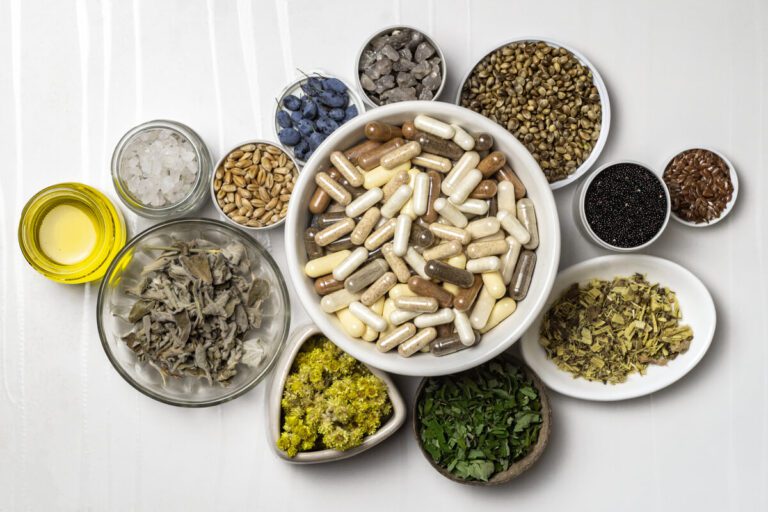
In this domain, naturally occurring substances and techniques not typically used in conventional medicine are used to influence health and promote healing. These include herbal medicine, chelation, dietary supplements, and specialized diets. (5)
Did you know? Chelation therapy has been shown in many studies to be able to successfully remove toxic metals from the human body. (3)
2. Body-based manipulative methods
By manipulating interdependent body structures and systems (i.e., bones, joints, soft tissues), this domain helps the body regulate and heal itself and includes treatments from acupuncture (i.e., cupping, moxibustion, scraping), chiropractic care, massage therapy, and reflexology. (5) For example, clinical trials demonstrate that chiropractic medicine can improve neck pain, shoulder and neck trigger points, and sports injuries. (6)
3. Energy therapies
Whereas body-based methods work on body structures and systems, energy therapies manipulate the energy fields of the body and include acupuncture, qi gong, reiki, tai chi, and therapeutic touch. (1) A large systematic review and analysis of qi gong looked at 886 clinical studies and found that this specific energy therapy may help a variety of conditions including diabetes, hypertension, insomnia, low back pain, osteoarthritis, and osteoporosis. (8)
4. Mind-body practices
This domain honors the intimate connection between the mind and the body with an understanding that the mind can influence physical health and healing. (1) The techniques used in this category include biofeedback, guided imagery, meditation, mindfulness, prayer, and relaxation techniques. Biofeedback, for example, is often used to help manage mental health concerns such as stress and anxiety, but it may also help with a wide variety of conditions including chronic pain, constipation, insomnia, headaches, fatigue, and urinary incontinence. (4)
5. Whole medical systems
In the scientific literature, this domain is sometimes also referred to as alternative medical systems, which features whole person medical treatments from a diverse group of systems including Ayurveda, homeopathy, naturopathy, and ancient medical techniques from non-Western cultures such as Asia, China, Native America, Pacific Islands, and Tibet. (7) A 2018 review highlighted the benefits of homeopathy, which include fibromyalgia, infectious diseases, mental health issues, and pain management. (2)
The bottom line
The common threads within these five domains of complementary and alternative medicine include honoring the human body’s ability to be in balance, resilience as it relates to the body’s ability to heal itself, and the significant connection between mind, body, and spirit. Utilizing one or more of the types of techniques featured in one or more of the five domains of complementary and alternative medicine helps practitioners create a personalized, whole-body, integrative health approach to medical care, health, and healing.