

Approximately one out of every six Americans struggle with migraine headaches. The statistic is even higher for women, with one in five women reporting a migraine over a 3-month period. (4) Unfortunately, there is no known medical cure for migraines. (10) Current medications used for prevention include antiepileptic drugs, such as topiramate (17) and valproate (18), antidepressants such as amitriptyline, β-blockers, and calcium channel antagonists. (14) Dietary supplements such as butterbur, feverfew, and magnesium, which will be discussed in this article, have also been shown to be effective preventative measures against migraines.
What is a migraine?
Migraines are a chronic health condition that involve episodic headaches and associated symptoms. (14) Migraine attacks can range from 4 to 72 hours with symptoms ranging from mild to debilitating. Chronic migraines are distinguished from episodic migraines when the patient has migraine headaches occurring more than 15 days per month. (11)
Migraine signs and symptoms
A migraine attack involves several phases. In most patients, it begins with prodrome or premonitory symptoms, which include tiredness, mood changes, gastrointestinal symptoms, and sensitivity to light and sound. (5)(15)
The next phase is characterized by neurological symptoms. The International Headache Society has classified two major types of migraine that present with different neurological symptoms:
Migraine without aura – The headache lasts between 4 and 72 hours. The patient can experience nausea and/or vomiting, photophobia (sensitivity of the eyes to light), and phonophobia (a fear or aversion to sounds). In addition, the headache itself exhibits at least two of the following characteristics: unilateral location, pulsating quality, moderate or severe pain, and/or aggravation by routine physical activity. (11)
Migraine with aura – Involves central nervous system symptoms that develop gradually and may be followed by a headache and other migraine symptoms. The patient experiences at least one of the following migraine aura symptoms: visual, sensory, speech, motor, brainstem, and/or retinal symptoms. (11) The aura phase overlaps with the headache itself. (5)
Once the headache subsides with either of these migraine types, some sufferers will still experience migraine symptoms referred to as the postdromal phase. (5)
Migraine triggers and risk factors
Risk factors for chronic migraines include:
- Being either obese or underweight
- Being female
- Depression
- Having a lower educational status
- Ineffective acute treatment
- Overusing migraine medication
- Stressful life events (22)(12)
Migraine triggers can be challenging to pinpoint as they may vary between individuals. Tracking personal data, including triggers and symptoms, can be used to identify an individual’s specific migraine triggers. Some of the studied trigger factors include:
- Alcohol
- Fasting or not eating in time
- Premenstrual periods in women
- Sleep disturbances
- The time after stress when the relaxation or “letdown” occurs
- Weather changes, specifically low barometric pressure (21)(26)(30)
Supplement ingredients for headaches
The supplements outlined below have demonstrated effectiveness in supporting the treatment of headaches.
Butterbur (Petasites hybridus)
Butterbur is a perennial shrub from the daisy family, Asteraceae, whose root can be used for preventative treatment of migraines. (20) The plant itself contains pyrrolizidine alkaloids (PA), which are known to be hepatotoxic. However, certain butterbur extracts are found to be alkaloid-free and therefore, do not pose the same risks. (2)
Butterbur is well-tolerated and is commonly recommended as an alternative for prophylactic treatment in migraine patients. (1)(8)(13)(19) Studies have shown that supplementing with butterbur root extract can result in a 50% to 68% decrease in frequency of migraines. (1)(8)(13)(19)
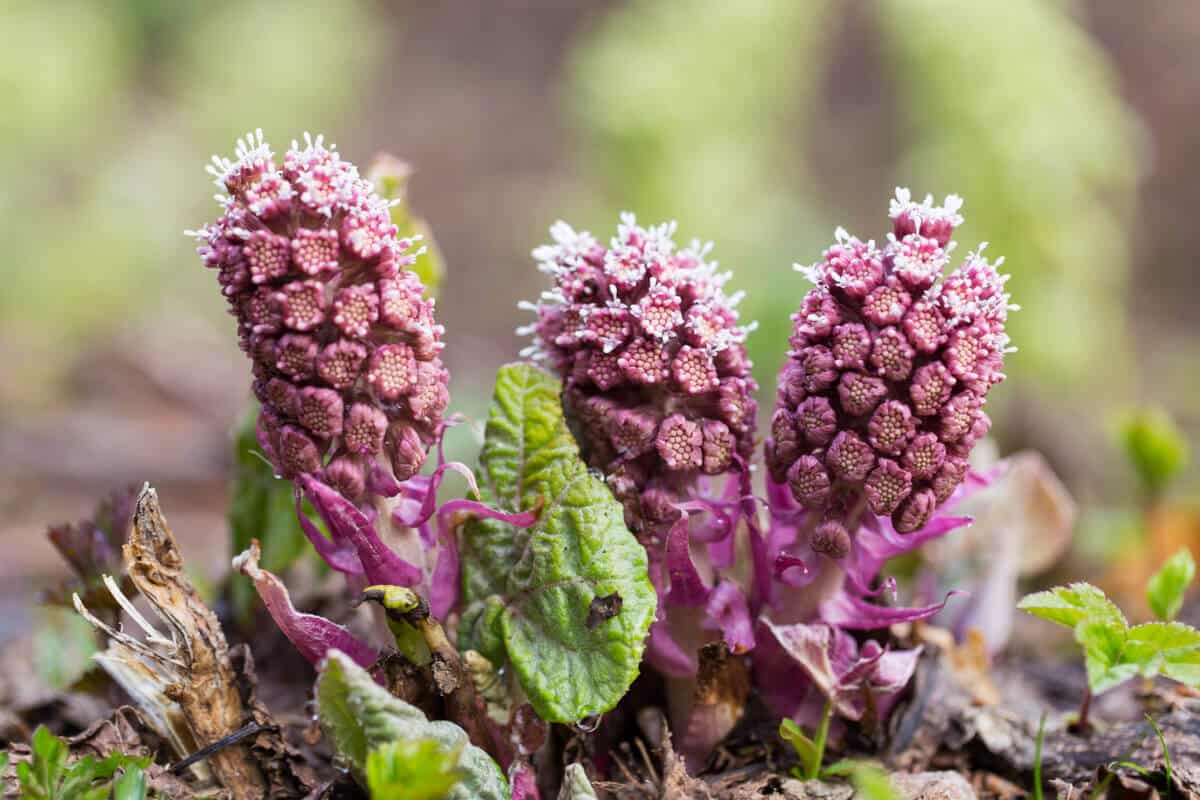
Butterbur root extract has been found to be safe for migraine prevention.
Feverfew (Tanacetum parthenium)
Feverfew is a perennial plant native to Europe, North America, and South America. The aerial parts of the plant (leaves, flowers, and stems) are used in herbal supplements. (24) The chemical constituents of the plant include sesquiterpene lactones, flavonoids, and volatile oils. Supplementing with feverfew has been shown to be safe, with only mild adverse effects being reported, such as inflammation of the tongue or oral mucosa. (25)
Feverfew has been shown to be beneficial in the prevention of migraines and may reduce migraine frequency and severity. (9)(29)(7)(23)(28)

Feverfew has daisy-like flowers and commonly grows in gardens or along roadsides.
Magnesium
Magnesium is an abundant mineral required by over 300 enzymes involved in many physiological processes in the body. Magnesium is present in drinking water and in foods such as leafy green vegetables, grains, nuts, and legumes. Food processing and cooking, specifically boiling, can lower the magnesium content in food. Low magnesium status has been linked to adverse clinical outcomes, including diabetes, hypertension, coronary heart disease, osteoporosis, and migraines. (31)
Supplemental magnesium has been shown to reduce the intensity and frequency of migraine attacks as well as improve cerebral blood flow. (27)(32)(16) Further research has shown that intravenous magnesium may decrease acute migraine attacks within 15 minutes to 24 hours following administration. (3)(6)

Migraine frequency can be reduced with the prophylactic supplements butterbur, feverfew, and magnesium.
The bottom line
Incorporating these dietary supplements into a prophylactic treatment plan may help migraine sufferers reduce the frequency and severity of migraine attacks. A protocol using dietary supplements can be used therapeutically on its own or as an adjunct to existing treatment. If you’re a patient, we recommend speaking with your integrative healthcare practitioner to determine whether supplementation is appropriate for your wellness plan.